Stained glass windows, intricate designs, and vibrant colors are a breathtaking addition to any space. They are beautiful and add an artistic vibe to your interior. However, they are not immune to time and deterioration. If you set your mind on stainedglass restoration and wonder whether to let professionals do it or tackle it yourself as a DIY project, you must carefully consider the pros and cons before making any decisions.
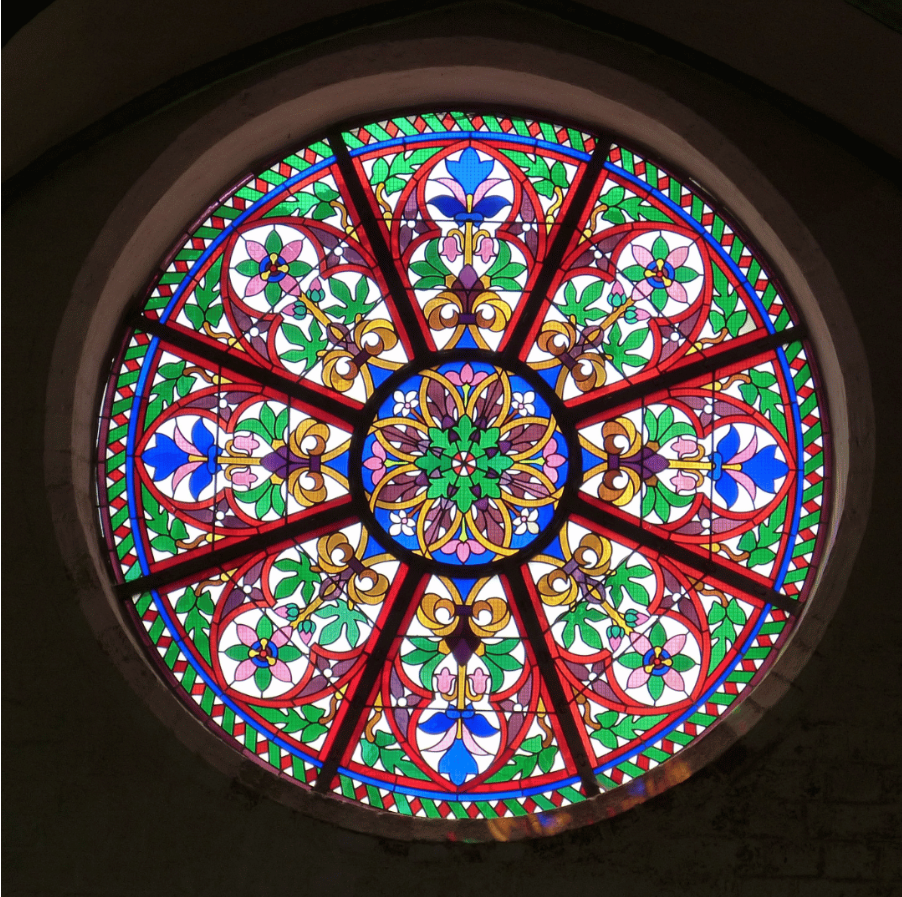
Image source: Canva
There are a lot of factors to take into account. They vary from your knowledge and experience in the field, through the tools and materials needed, to the risks and challenges of self-managed projects.In many cases, hiring a professional stained glass restoration might be the only possibility. Let's delve more deeply into the art of restoring a stained glass window and the challenges connected to it.
There are many aspects to restoring stained glass. You might be a dedicated beginner who reads a lot but hasn't done any restoration work before. You might be able to accomplish basic repairs, but the overall restoration process is a craft, and only experienced professionals can complete a full-scale project. Before we look at some pros and cons of both restoration methods - DIY or repair restoration team-led, let's briefly go through the historical aspect of stained glass windows and the different materials used.Technically, stained glass is used as a broad term that encompasses different glass-making techniques. Stained and leaded glass windows, for example, differ in coloring.Opalescent glass and painted glass can be used to make other glass products, and opalescent glass refracts light differently. Tiffany glass windows are a series produced at the end of the 19th and the beginning of the 20th century.The history of stained glass encompasses a significant period of time - from the Middle Ages to modernity. Restoration of stained glass involves practical knowledge of the trade and in-depth knowledge of art history.For some restoration projects, a whole team of restoration specialists is needed. Project managers lead them, and the entire process is slow and intricate and can take time.For low-scale projects, it is possible to DIY restore your stained glass. Here are some reasons for and against.
Regarding expenses, the DIY approach might only acquire purchasing materials and time investment on your side. You will not pay for expertise, and this is cost-friendly. You needn't spend large sums of money when only minor glass repairs are involved.If you are a stained glass lover and appreciate its beauty and want to restore it, DIY projects bring you creative satisfaction and contribute to your learning experience.
DIY restoration is painfully slow as it goes through the perspective of learning. To get better at any technique, you must spend hours performing it. Glass restoration, in general, is an intricate process, and your lack of expertise will slow it even more.

Image source: Canva
Your beginner's skills might not be enough for such an ambitious, detailed, and complex process. As a result, you might cause more harm than good to the historic glass you are trying to preserve.If you keep any heirlooms dear, seeking professional services might be better.
If you decide to pursue DIY restoration, you must equip yourself with essential tools and materials to aid your work.The tools that you need are as follows:
The necessary materials are:
Taking on stained glass repair as a DIY project can be risky and challenging. One of the most significant risks is that improper repairs may unrepairable damage a piece of artwork. In severe cases, it might no longer be preserved, leading to the loss of historical or artistic value.Since lead is one of the materials that need to be worked with, it poses the risk of lead exposure and poisoning. This is why, when attempting glass restoration, it is advisable to do it under the supervision of someone experienced.
When we inherit an object or an estate with a historical value that, due to time and other conditions, requires restoration, even if we are antique valuers, we need to recognize the need to hire a professional.Here's when you should turn to professionals:
Hiring professionals for any job is beneficial, but hiring a professional for a stained glass restoration is more than advantageous for such a delicate task.

Image source: Canva
Top 5 reasons to hire a professional:
Professionals use specialized tools and techniques tailored to each particular window or restoration project.
Professionals are more likely to find the exact match to the original, thus preserving the object's genuine value and beauty.
Professionals cannot stop natural deterioration, but they do have the methods and techniques to reverse some of the time's traces. Metal fatigue and bringing back the glamor of flesh tones, experts can do that and much more.From the integrity of the structural system to the layers of copper foil, any piece is typically repaired with care, expertise, and careful evaluation of the method chosen.
With time and the effect of elements, stained glass windows develop cracks and sags; there are dark spots or other changes. UV light also plays a role in stained glass deterioration. Luckily, professionals can do a lot to preserve historical pieces.
Yes, but this is a very gentle process that should be conducted with non-ionic detergent. No alcohol or ammonia is allowed on stained glass. It should be performed carefully and slowly, mindfully, for the intricate details of the piece you are treating.
The life of stained glass depends on many factors. They are very durable, and as we can see, stained glass windows have survived generations. They can continue to be timeless in appearance with proper care and conservation. More modern glass windows are less durable than their predecessors.


Window cleaning of buildings in Seattle area
.svg)
.svg)
.svg)
.svg)
.svg)
.svg)
.svg)